
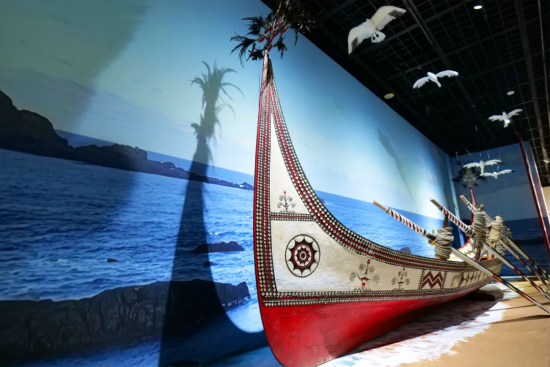
在还没有钢铁轮船的漫长岁月里,生活在江河湖海边的人们,是怎样行走于水上的?
In the long years before the age of steel ships, how did the people living by rivers, lakes, and seas travel on water?
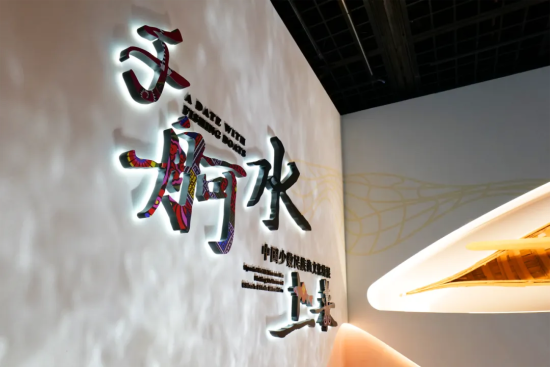
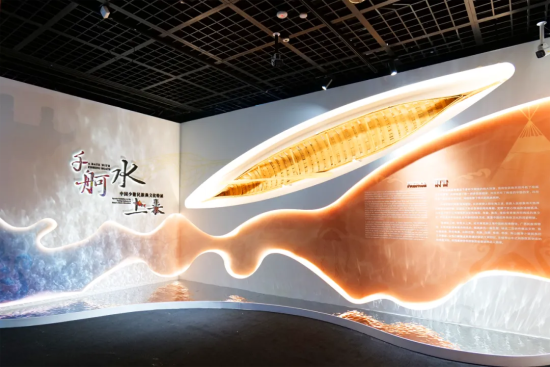
如今,在上海的中国航海博物馆里,一场名为“千舸水上来:中国少数民族渔文化特展”的展览,正静静给出答案...
Today, at the China Maritime Museum in Shanghai, an exhibition titled “A Thousand Boats on the Water: An Exhibition of Fishing Cultures of China’s Ethnic Minorities” quietly offers an answer.
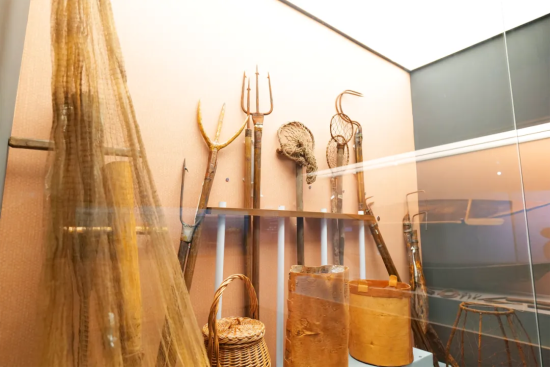
它汇集了来自赫哲族、鄂伦春族、傣族、高山族等十多个民族的渔猎器物,像一条串联起中华水系的文化脉络,让我们看见:原来每一片水,都有它养育的生命和智慧。
This exhibition brings together hunting and fishing tools from over a dozen ethnic groups, including the Hezhen, Oroqen, Dai, and Gaoshan peoples. It weaves a cultural thread that connects the water systems of China, allowing us to see that every body of water nurtures its own life and wisdom.
鱼皮怎么能做衣服?
树皮船真的不会沉吗?
How can fish skin be made into clothes?
Do bark boats really not sink?
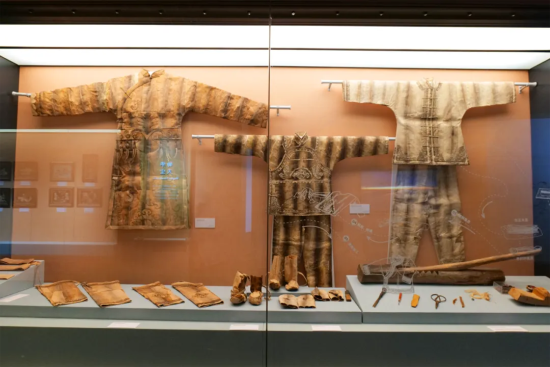
走进展厅,这些疑问会得到解答。生活在黑龙江、乌苏里江流域的赫哲人,冬季严寒,但他们发现大马哈鱼的鱼皮经过反复捶打、揉搓和晾晒后,会变得柔软而坚韧。于是,他们将鱼皮缝制成衣裤鞋帽。
As you enter the exhibition hall, these questions are answered. The Hezhen people, living along the Heilong and Ussuri rivers, endure harsh winters. However, they discovered that the skin of the chum salmon, after being repeatedly pounded, rubbed, and dried, becomes soft yet tough. Thus, they sewed fish skin into clothes, pants, shoes, and hats.
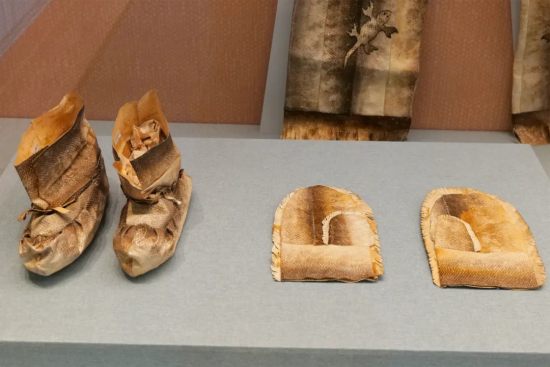
这种衣服防水、抗风,在零下几十度的环境里,是实实在在的保暖装备。而且,处理得当的鱼皮,其耐磨程度超乎想象。这不是传说中的技艺,而是一代代赫哲人为了生存而掌握的生活技术哦!
These garments are waterproof and windproof, providing real warmth in temperatures that can drop to below -30°C. Moreover, well-treated fish skin is surprisingly durable. This is not just a legendary craft, but a survival skill passed down through generations of Hezhen people.
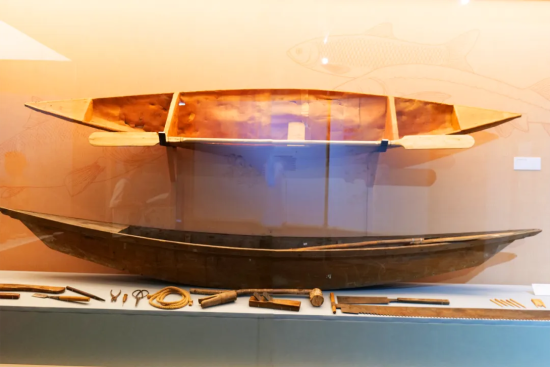
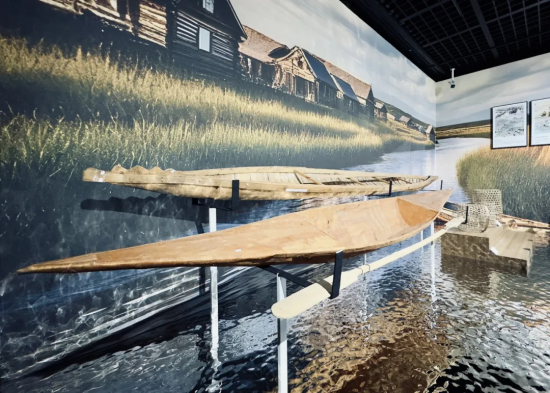
同样基于环境创造的是鄂伦春族的桦树皮船。在大小兴安岭的密林与河流中,鄂伦春人选用轻便的桦树皮,经过火烤软化,用松木做骨架,以红松根须缝合,再涂上防水树脂,就能制成一艘仅重几十斤的船。
Similarly, the Oroqen people in the Greater and Lesser Xing’an mountains create birch bark boats. In the dense forests and rivers of this region, they select light birch bark, soften it by roasting it over fire, and then use pinewood for the skeleton. The boat is sewn together with roots from red pines and coated with waterproof resin, resulting in a boat that weighs only a few dozen pounds.
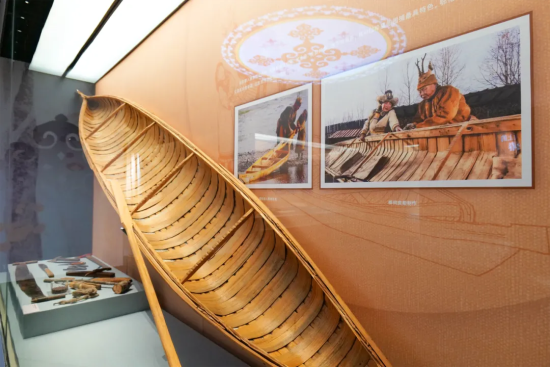
它轻到一个人就能扛起来,在林间河流中穿梭自如,几乎不发出声响,非常适合狩猎和捕鱼。这种设计思路,和江南水乡的乌篷船考虑水网密布、需要灵活转弯,在本质上是一致的:用什么材料,做什么样的船,首先得看周围有什么,需要解决什么问题。
So light that one person can carry it, these boats glide silently through the forest rivers, making them ideal for hunting and fishing. This design principle is essentially the same as the black awning boats of southern China’s water towns, which are designed to navigate the dense water networks and make sharp turns. The key factor in boat design—whether in the north or south—is the same: the material used and the boat’s form must address the challenges of the local environment.
竹篓与雕船:工具里的朴素智慧
Baskets and Carved Boats:
The Simple Wisdom in Tools
如果说北方的器物透着应对严寒的务实,那么南方民族的渔具,则展现了在温热环境中因地制宜的巧思呢!
If the northern tools reflect the practical need to combat the cold, then the fishing gear of the southern peoples showcases ingenious solutions tailored to warm environments.
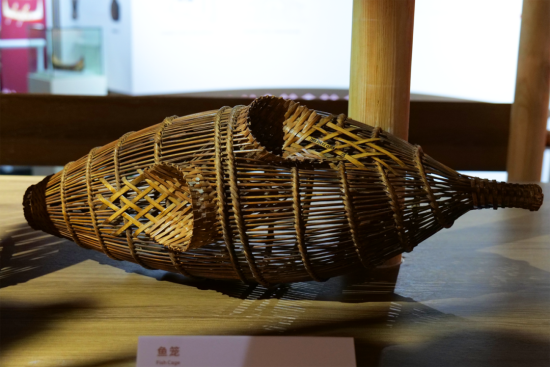
云南傣族展区里,一种用竹篾编织的锥形鱼笼很有意思。它的入口设计成漏斗状,鱼可以轻松游进去,却很难找到出来的路。这种装置可以放在河里,过一段时间来取,里面就有鱼了。
In the Dai ethnic group’s section from Yunnan, an interesting conical fish trap made from bamboo strips stands out. Its entrance is funnel-shaped, allowing fish to swim in easily but making it hard for them to escape. This device can be placed in the river, and after a while, the fisherman can collect the fish.
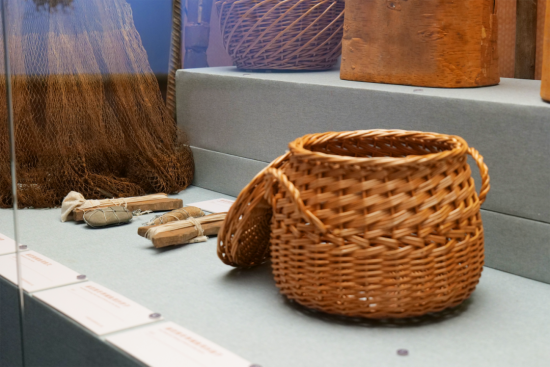
你也许会问:这不比一直守着撒网省力多了?这种“省力”的背后,其实是人对鱼类习性的长期观察和利用,也是一种低消耗的可持续捕捞方式。
You might ask: isn’t this a much easier way than constantly fishing with a net? The “efficiency” behind this design is the result of a long-term understanding of fish habits and a sustainable fishing method with low energy consumption.
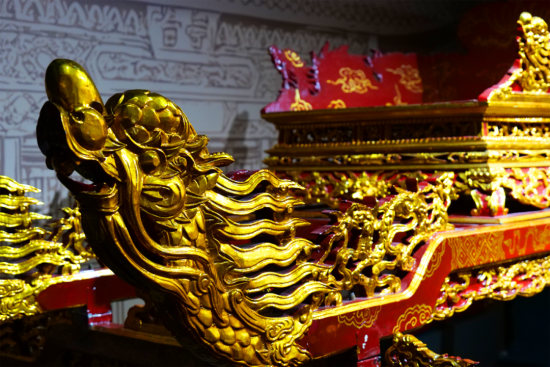
而来自中国台湾的高山族彩绘木雕渔船,则展示了工具的另一种角色。这些船上雕刻着精美的图案,有的是祖灵象征,有的是家族印记。这说明船不仅是生产工具,也承载着族群的历史记忆和文化信仰。不同地区的船样子不同,但船对于傍水而居的人们来说,分量都很重。
In contrast, the Gaoshan people of Taiwan China showcase another type of tool—their painted wooden fishing boats. These boats are intricately carved with symbols, some representing ancestral spirits and others serving as family emblems. This shows that boats are not only tools for production, but also vessels carrying the collective history and cultural beliefs of the ethnic group. While the shape of boats may vary across regions, the importance of the boat to people living by water is universal.
江河汇于海:相通的生活答案
Rivers and Seas Converge:
Shared Solutions to Life’s Challenges
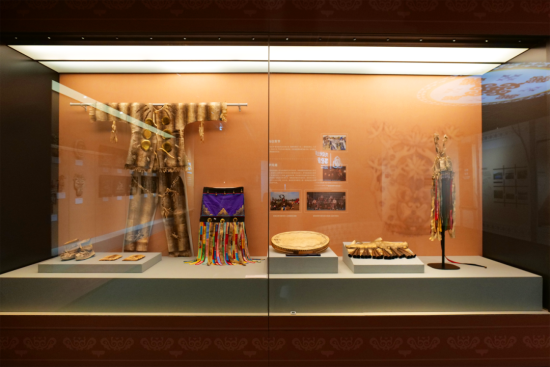
展览按地域和民族划分了展区,但在观看时,很容易发现不同器物之间的内在联系。无论是防水的鱼皮衣、静音的桦皮船,还是高效的竹鱼笼,它们本质上都是人们为了获取食物、便利交通而给出的解决方案。材料取决于身边的树林、河流和动物,形状适应着当地的水流、气候和鱼类。
The exhibition is divided into sections by region and ethnicity, but visitors will quickly notice the inherent connections between the different tools. Whether it’s the waterproof fish-skin garments, the silent birch bark boats, or the efficient bamboo fish traps, these tools are essentially solutions to the same problem: obtaining food and facilitating transportation. The materials depend on the nearby forests, rivers, and animals, while the shape of the tools adapts to the local water currents, climate, and fish species.
这种“从环境出发”的思考方式,其实并不遥远。很多上海本地的长辈,或许还记得黄浦江、苏州河上各式各样的渔船和渔具。虽然具体形态不同,但那也是这座城市曾经的水上生活智慧。
This “environment-first” approach is not far removed from our own time. Many elders in Shanghai may still remember the various fishing boats and tools once used on the Huangpu River and Suzhou Creek. While the forms may differ, they represent the waterborne wisdom of the city’s past.
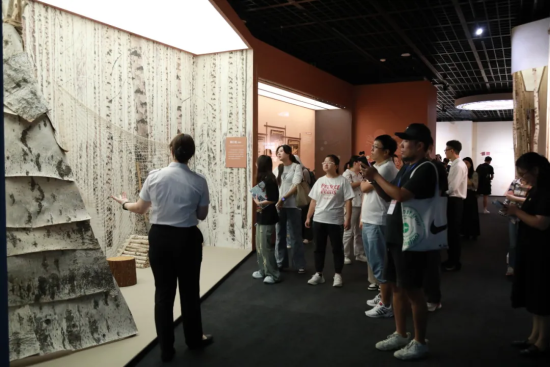
这个展览就像一次微缩的水上旅行,把不同民族曾经使用过的工具、船只原样展示出来。看的时候你会发现:原来在辽阔的中国,面对不同的江河湖海,人们拿出了这么多既不一样、又心意相通的答案。
This exhibition serves as a miniature waterborne journey, presenting tools and boats once used by different ethnic groups in their original forms. As you explore, you’ll realize that, across vast China, people living near different rivers, lakes, and seas have developed many unique yet conceptually similar solutions to their needs.
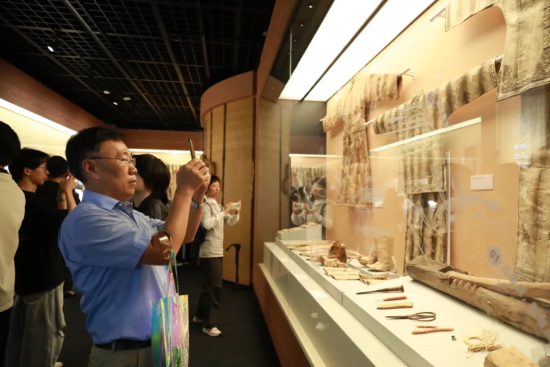
如果你对这些来自不同水域的生活智慧感兴趣,也可以去现场看看哦。
你是否见过或使用过其他有趣的捕鱼工具或船只?
If you’re curious about the wisdom behind these tools from different waters, you can visit the exhibition in person.
注:请在转载文章内容时务必注明出处!
编辑:李秋莹